14 September 2026 · Hazmad
Two weeks: a phone, a new way to build, and trees from scratch
Another two weeks, another long list. The short version: Steadfall runs on Android now, building was torn down and rebuilt around a whole new system, bases can be found by what they give off, and the old trees and plants are gone so they can come back properly.
Logo and banner concepts
Dragonfly9307 has some logo and banner concepts in the works for Steadfall. Nothing here is final yet.


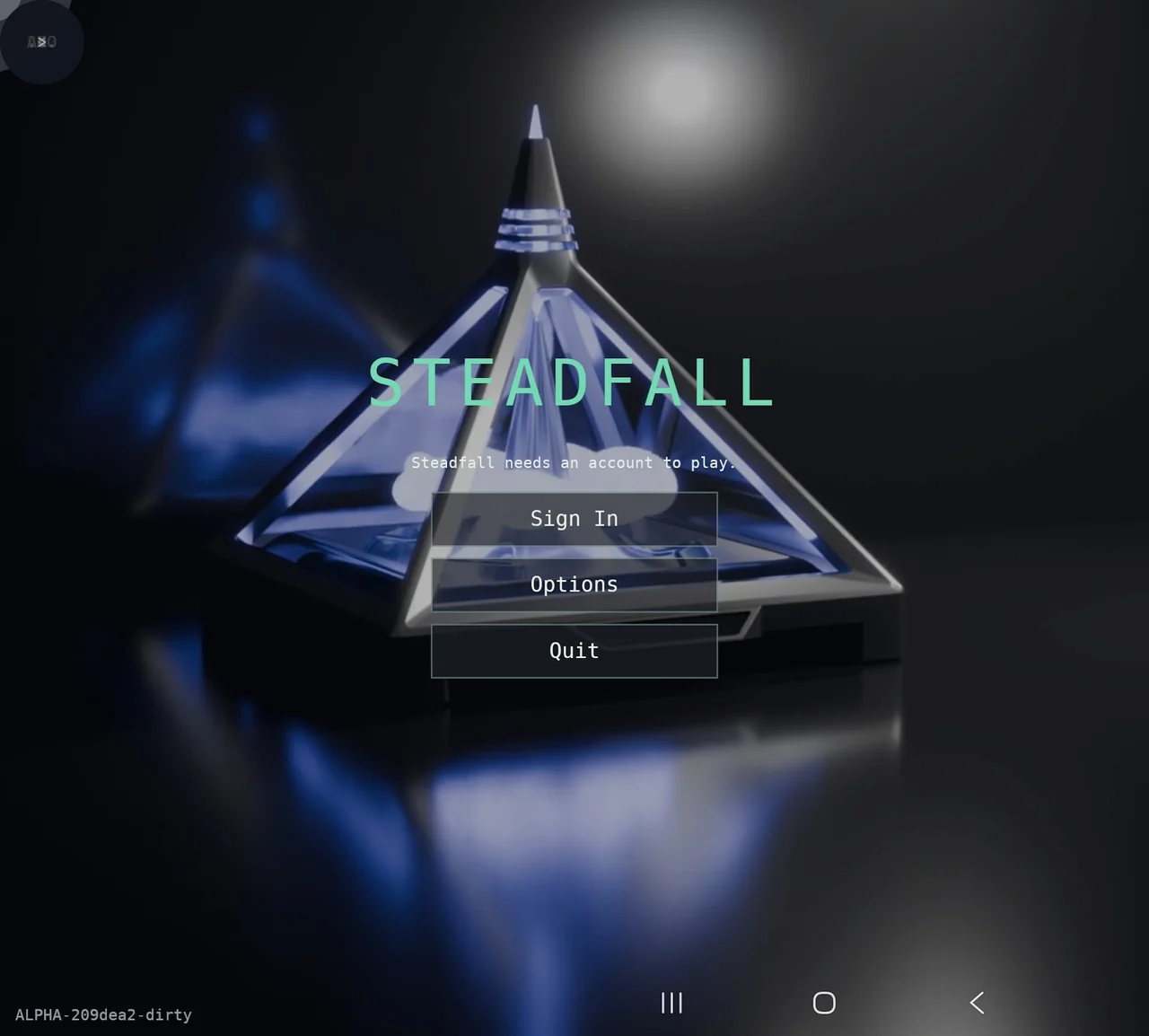
Steadfall on a phone
The game builds, installs and plays on Android. Menu, world creation, terrain, water, sky and saves all work, and a saved world reloads from the list with its thumbnail. Then came the controls: a movement stick, a look area, a sprint gesture and a hotbar strip along the bottom. The inventory works by touch too, with a long press to split a stack, and a UI scale slider lets you size everything to your screen. The phone keyboard types into chat and menus the way it should.
Gamepads are supported as well, on desktop and on Android. Every input now runs through one layer, so a controller, a finger and a keyboard all drive the same actions.
Underneath that, I checked that every platform grows the same world. Linux, Windows and Android generate the terrain, rock and climate from a seed, and all three come out matching, so a phone player and a PC player on one server are standing on the same ground. A Linux server with a Windows player connected now agrees on everything they share, too.
Building, rebuilt
Building got the biggest overhaul it has ever had. The grid moved to 4 metres, and right click with a build tool opens a proper build menu: pick a frame material and a part, or a wall material, and keep placing.
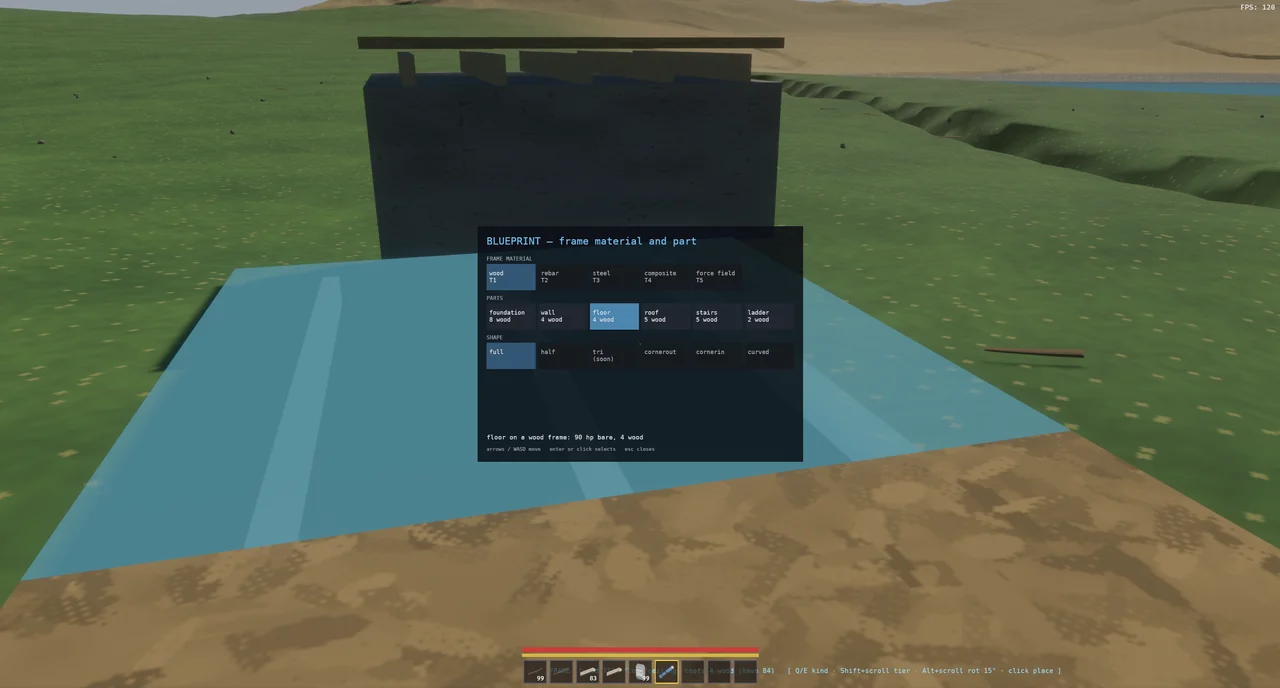
- Shapes. Walls come in full, half, outer corner, inner corner and curved.
- One frame, one wall. Health adds together, and four resistances (fire, weather, impact and melee) average between the frame and the wall. A wooden frame under stone still burns, just slower. No pairing is strictly best.
- Fourteen new building materials, including concrete, plaster, glass, rebar, steel beams, metal sheet and plate, each with a model and a recipe. Walls cost what they are made of now.
- Openings. Doorways, windows, hatches and skylights are holes cut into a wall, floor or roof rather than their own pieces. Water respects all of it: a wall with a door holds back a flood everywhere except the door.
- The Crowbar. Left click takes a piece apart and gives back every material that went into it. Right click repairs. A piece that gets blown up is a different story: it breaks into wreckage and you get far less back.
- The construction drone. Place a powered Drone Station, deploy, and fly out to build where you cannot reach. Your body stays where you left it, standing and exposed, which is the price of the view.
Being found
Every building material now gives off an electromagnetic signature, and every running machine makes noise. A tin wall is cheap, fast armour that advertises you. A composite wall is silent. A cold smelter is quiet and a running one is not, so switching things off before someone comes looking is a real decision. A handheld scanner reads both.
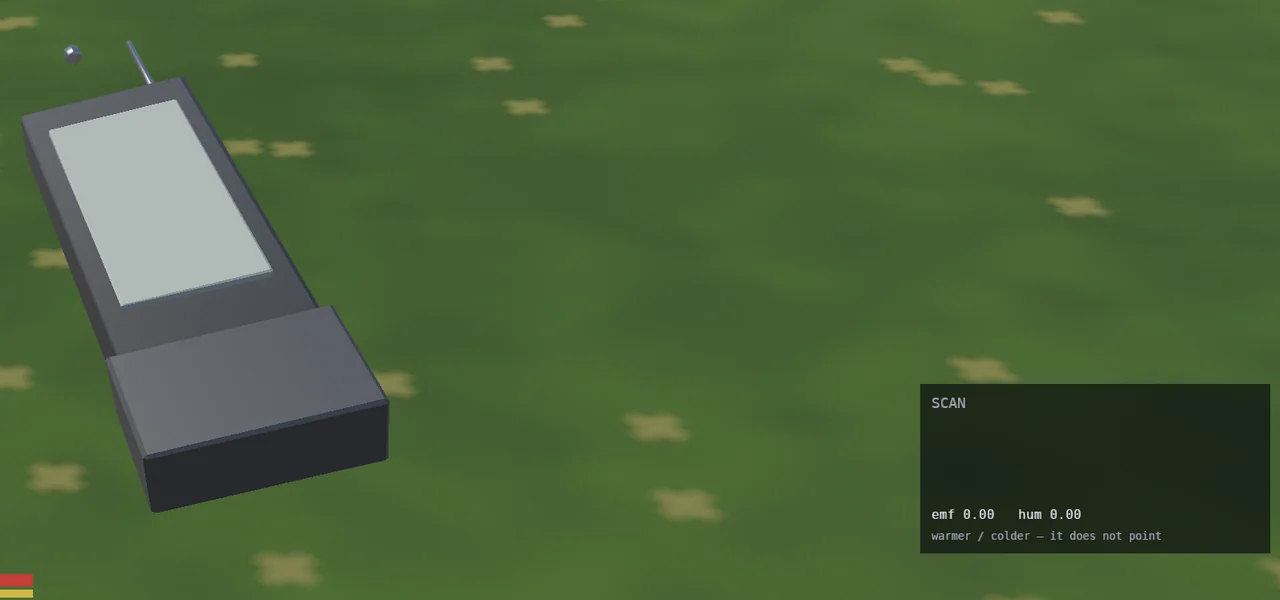
The scanner model in that shot is an AI generated stand in. It is marked for removal and will be replaced by a model from our 3D modeler.
Walls can take modules to play with that:
- Chameleon makes a wall look like any other material. It fools the eye, not the scanner.
- Passthrough makes a wall see through.
- Suppressing cuts a wall's signature a long way down, but never to zero.
- Logos Shield adds a regenerating health pool while the grid can power it.
- Gravitational anchors a floor like a foundation, for bases that do not touch the ground.
Power, the Shell Emitter and the Logos Drive
Cables come in three tiers now, and each carries more power than the last. A grid carries only as much as its thinnest wire, so one light cable in a heavy run caps the whole thing: find the weak link and replace it. Pipes follow the same rule across clay, copper, steel and composite.
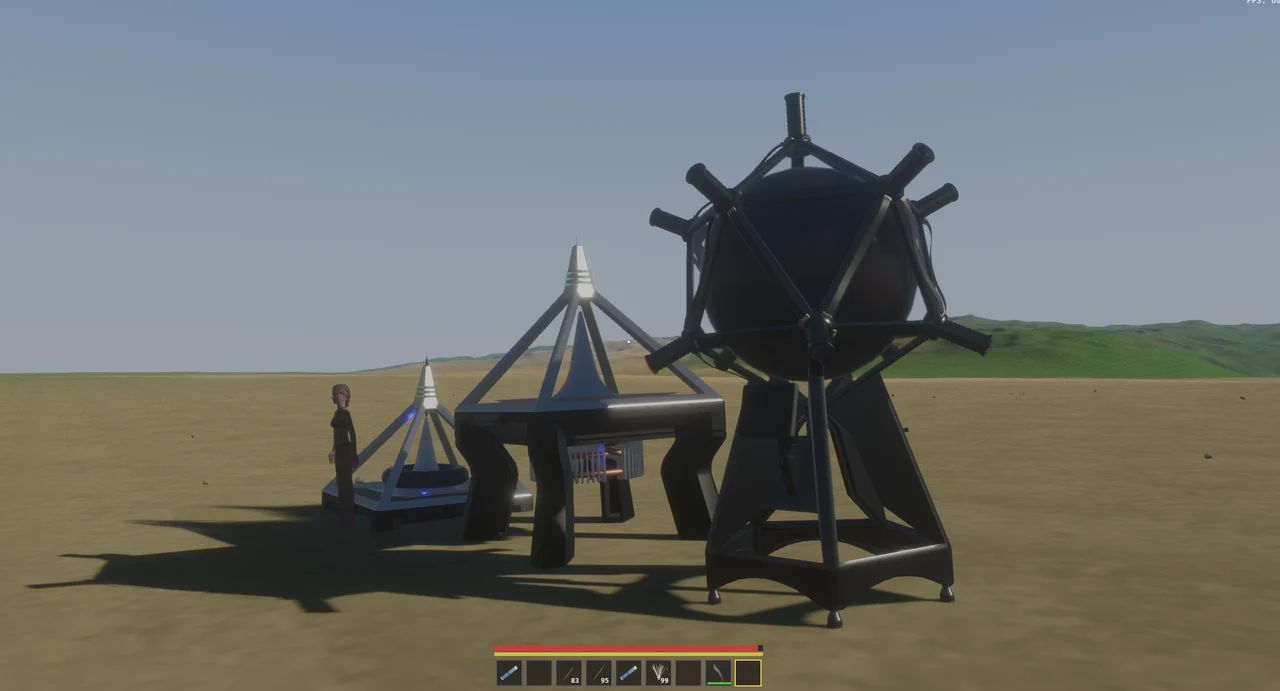
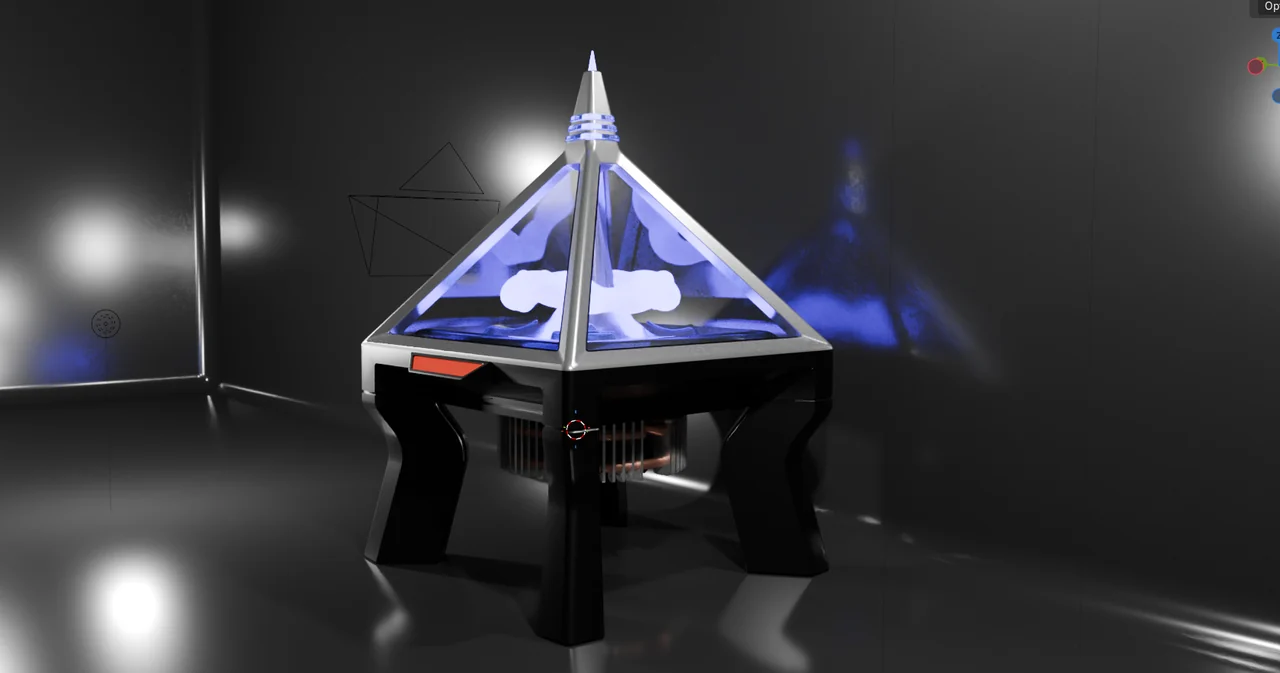
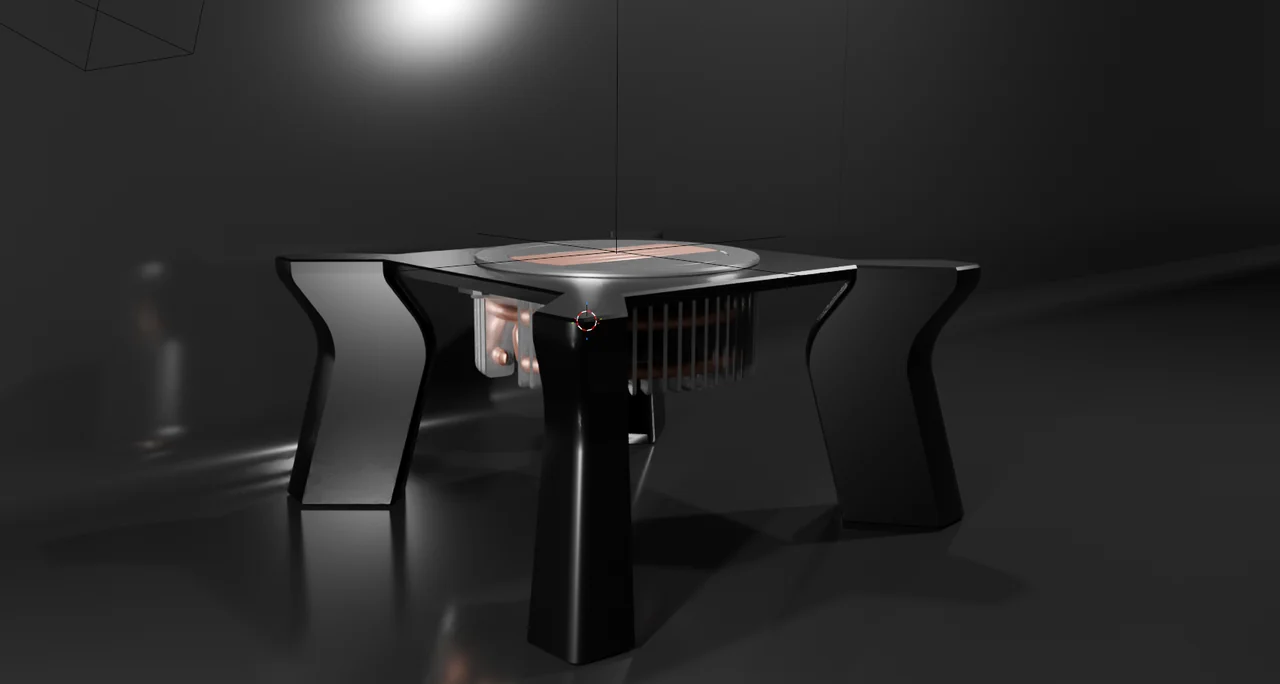
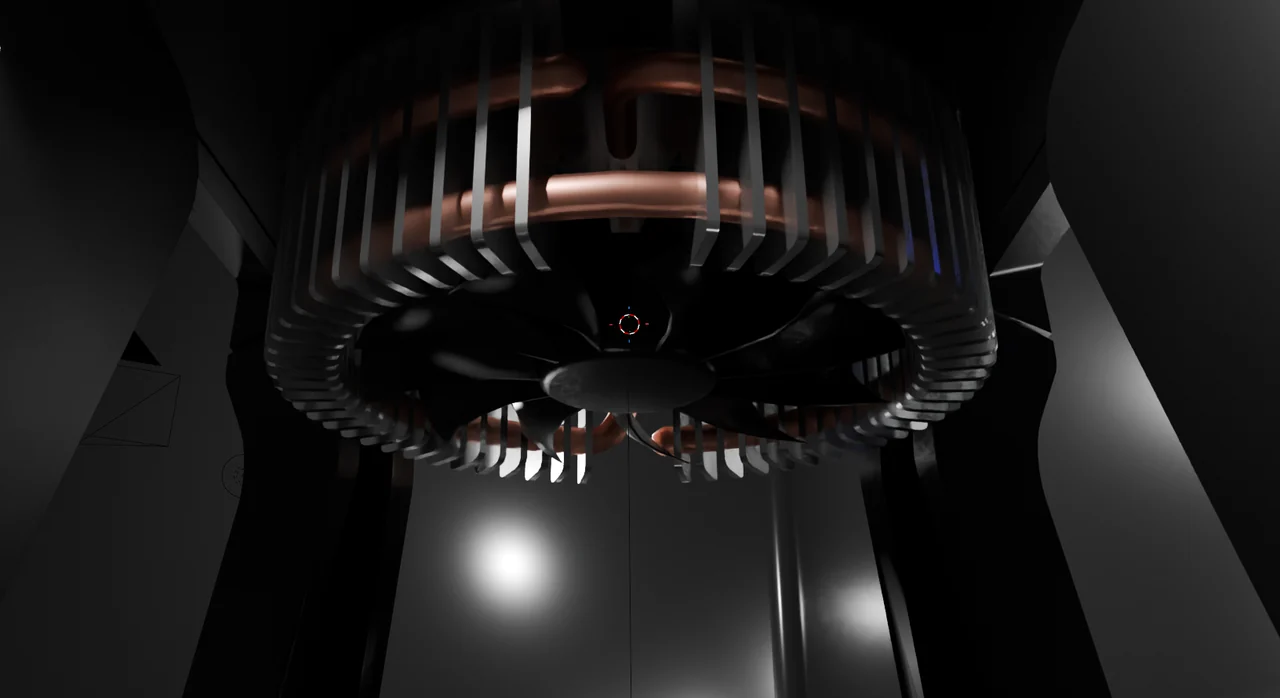
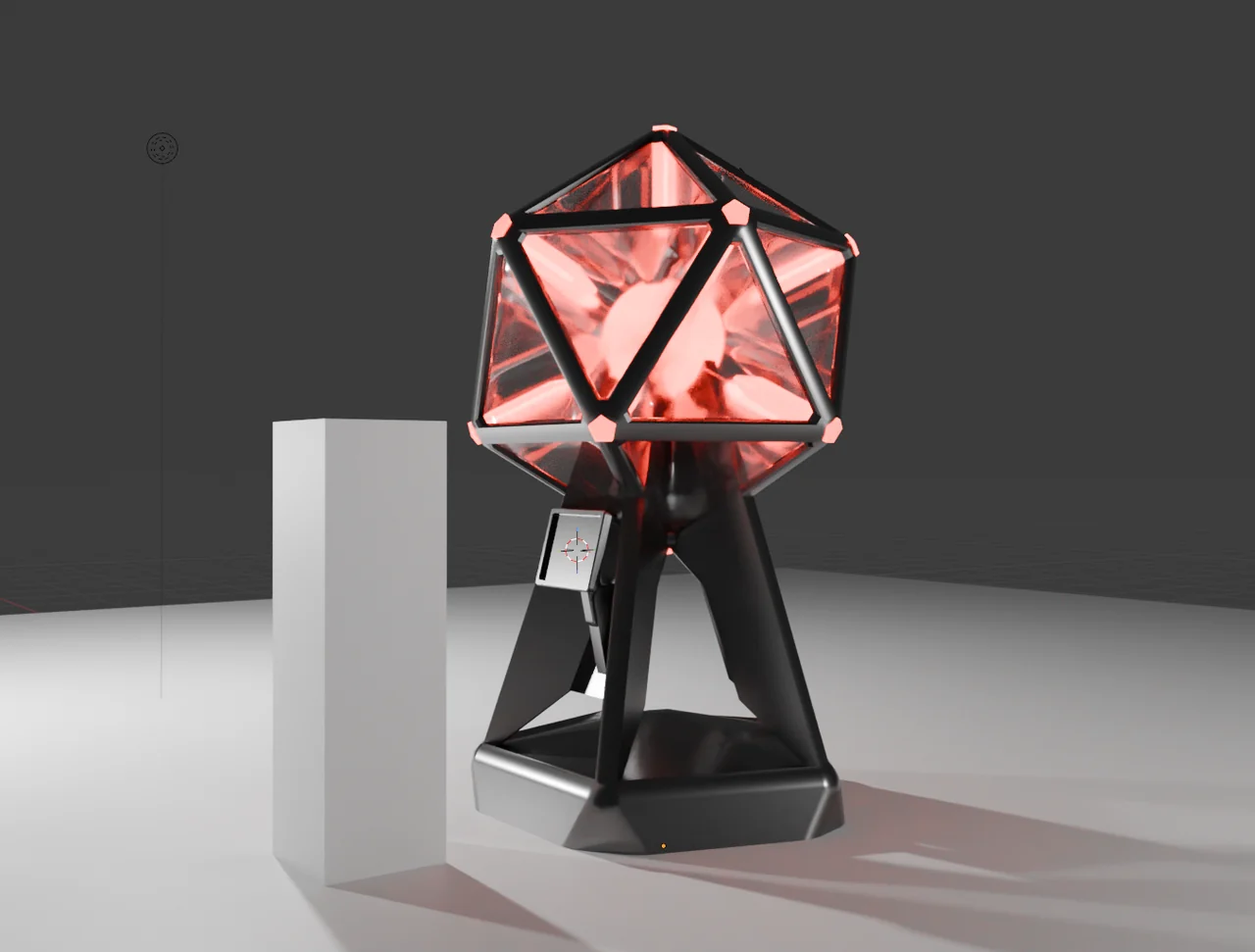
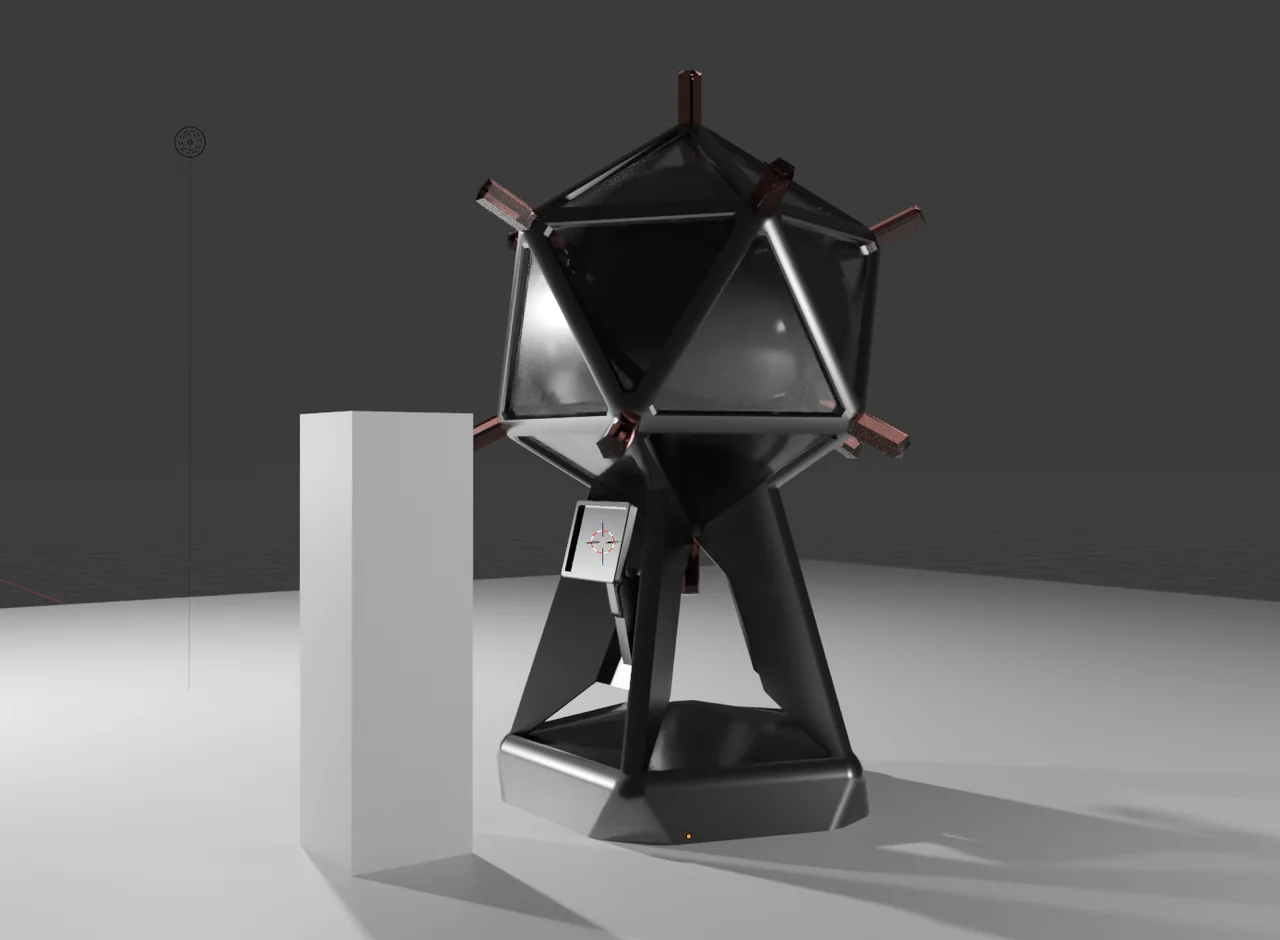
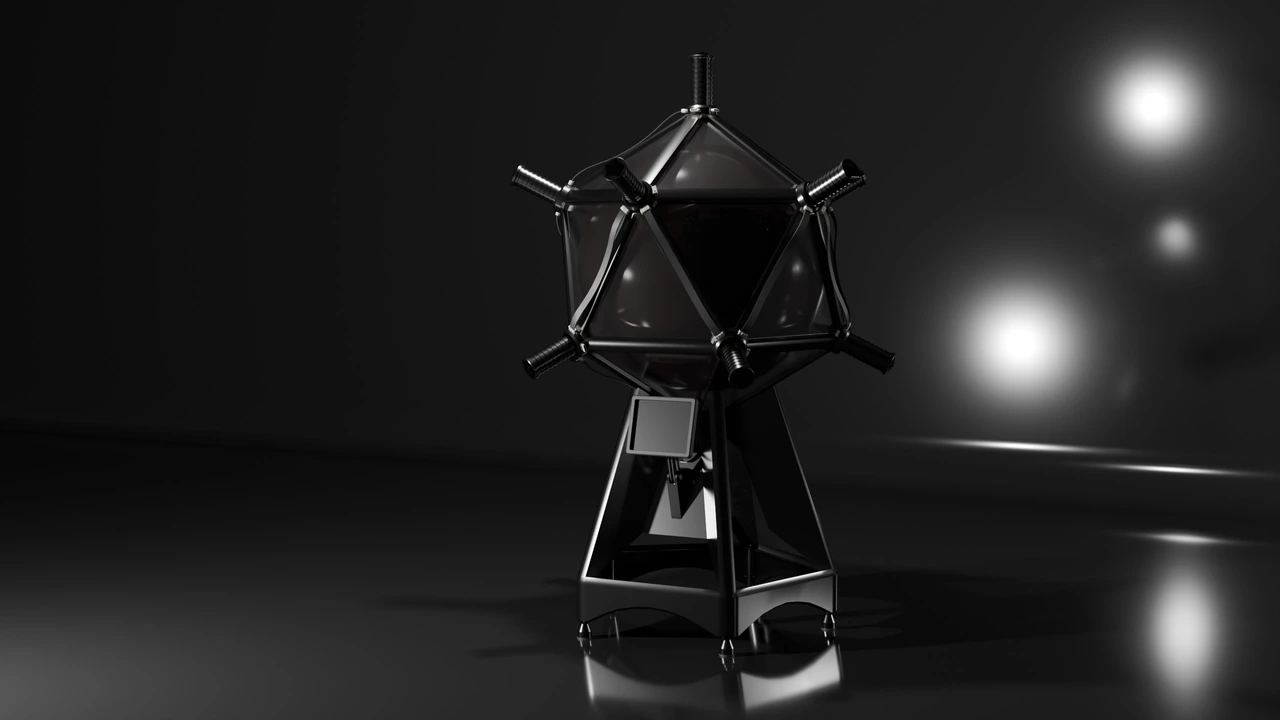
Force fields split into two machines. The new Shell Emitter raises the actual barrier. Run a cable to it and it projects a sphere that nothing crosses in either direction: players, blasts and missiles, which detonate against the shell instead of the base inside it. Bigger shells draw more power, and if the grid browns out the shell drops. The emitter itself can be destroyed, because a projector nobody can crack is a base nobody can crack. The Logos Drive, the old force field emitter, handles territory enforcement. Dragonfly9307 modelled both, along with the new stand below.
The Logos Drive also has a new stand. A drive's range scales with the power it draws, and the stand adds cooling, so a drive mounted on one can take more power for a longer reach and wastes less of the power it uses.

Trees start over (and over, and over)
If you have been wondering where the time went this fortnight, this chart is accurate.
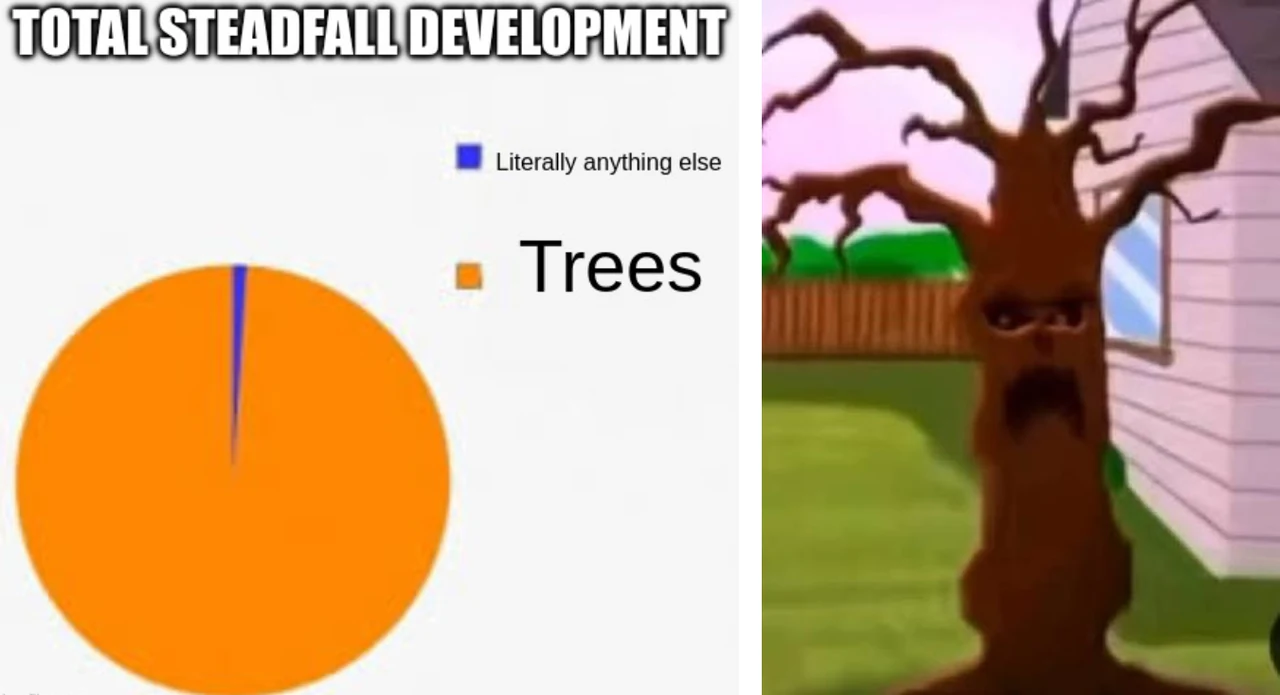
Every old tree and every plant came out of the game: grass, bushes, reeds, pebbles, all of it, along with their assets. The old forest was a set of modelled trees repeated across the world, and where trees are going, each one needs to be grown on its own.
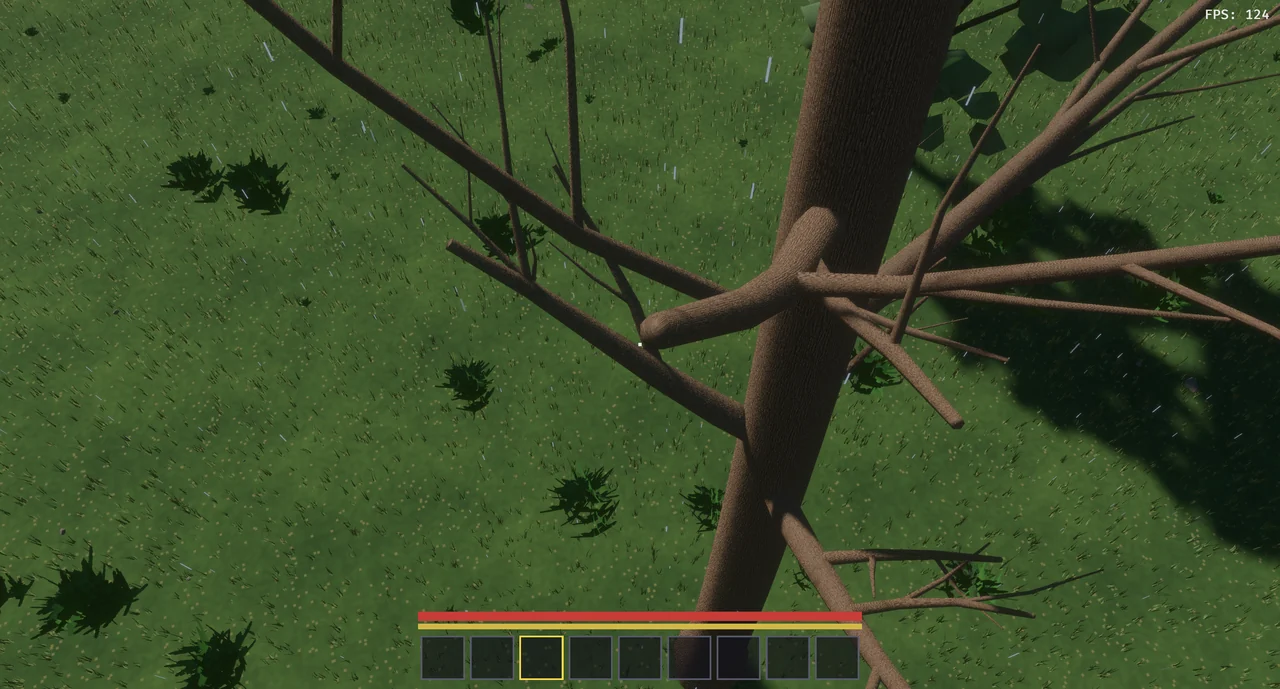
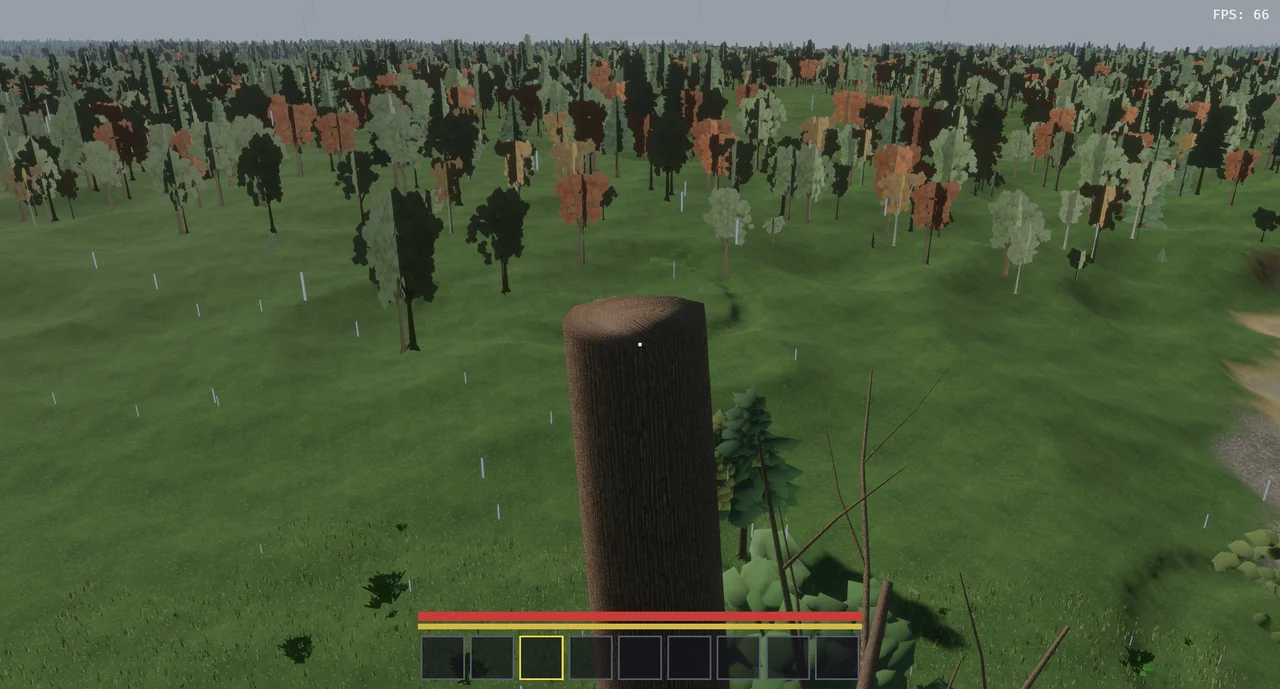
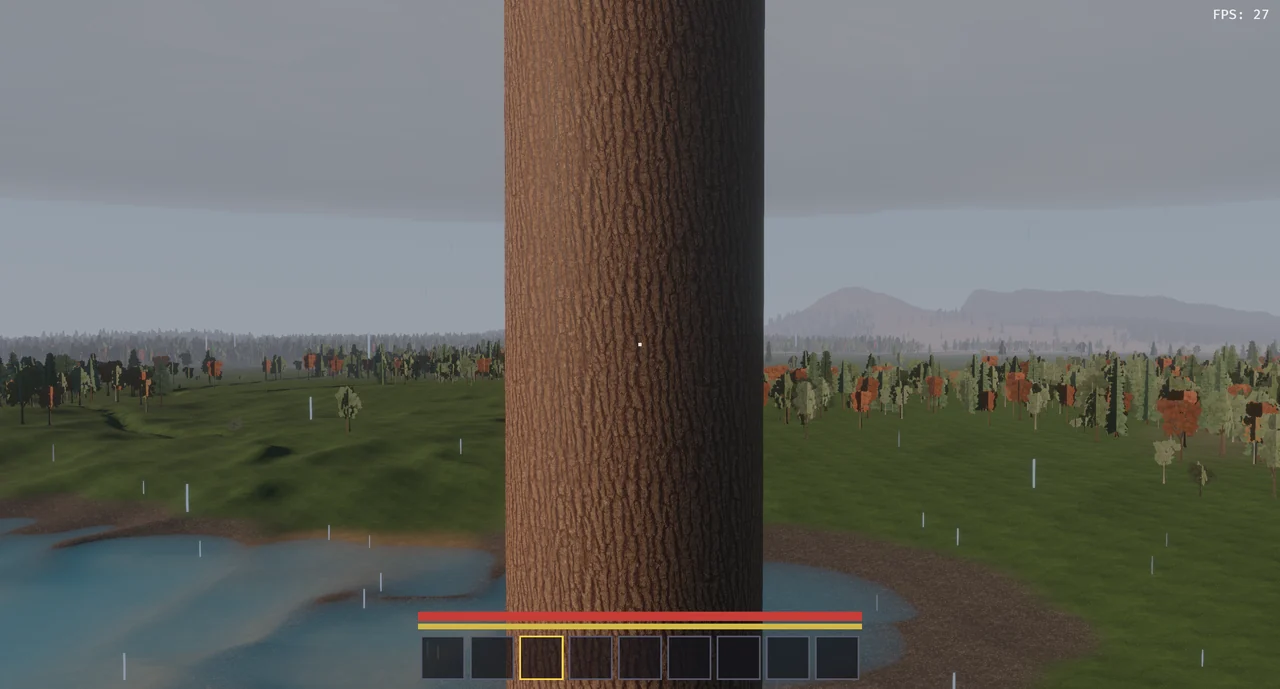
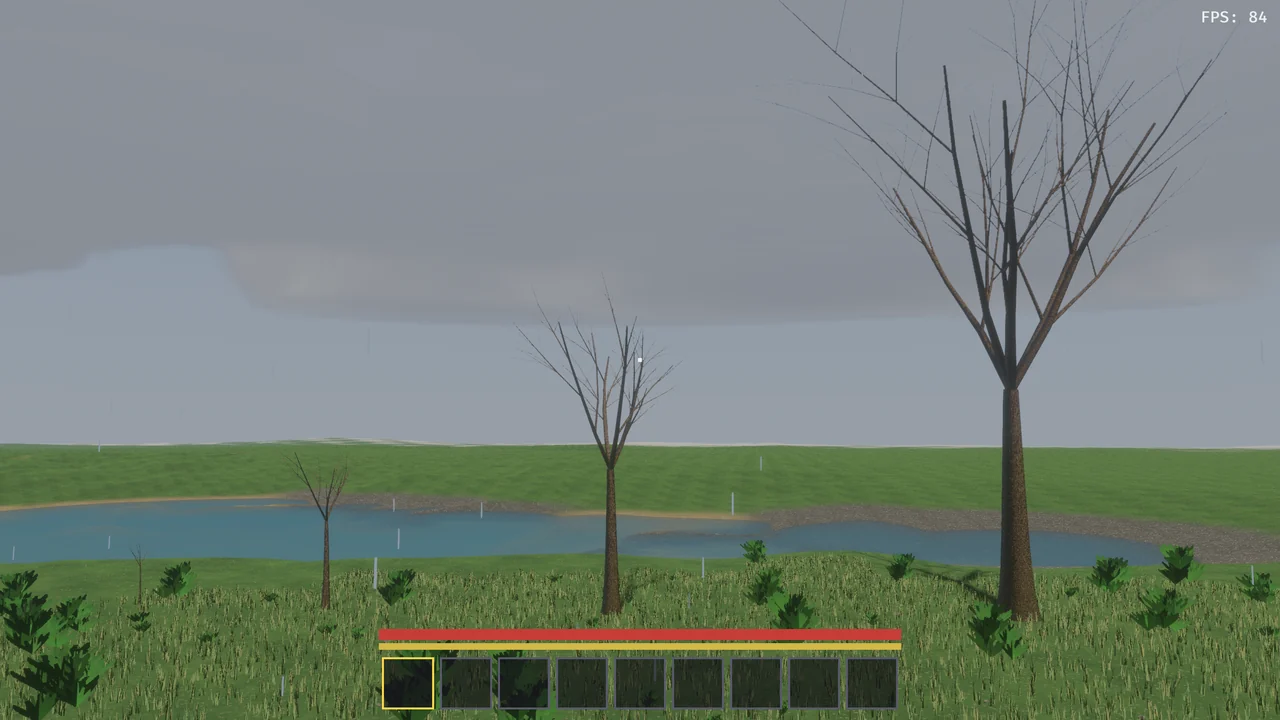
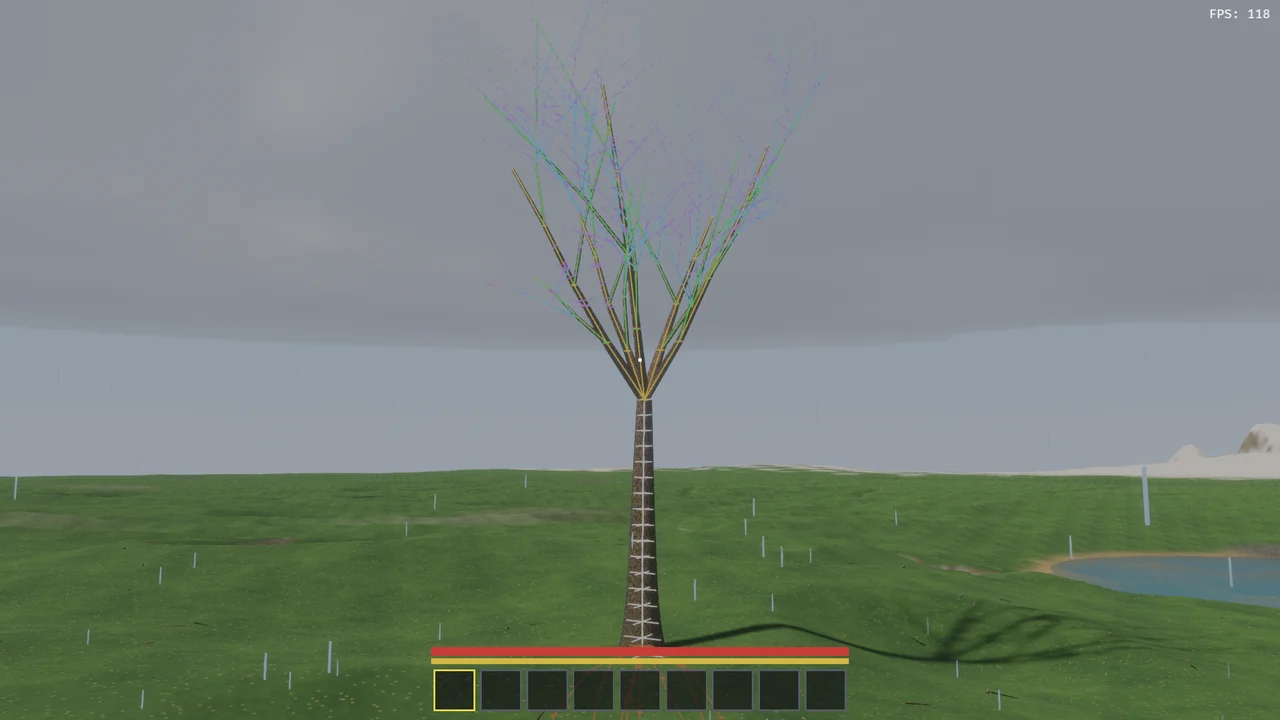
In their place, trees are grown procedurally from a seed, with tapering branches, five size tiers from sapling to fully mature, and bark from Dragonfly9307. Getting there took a detour. The first generator looked right, then species, modelled segments and roots went in on top of it, it all fell apart, and we rolled back to that first version. There are two shapes so far, the default and a low, spreading orchard tree, and a debug view draws the skeleton each tree grew from right over the top of it.
Leaves and fruit
The trees are getting something to wear. Dragonfly9307 made an apple and two apple leaves, fully textured. They are already in the game as items you can hold while they wait for branches to hang from.
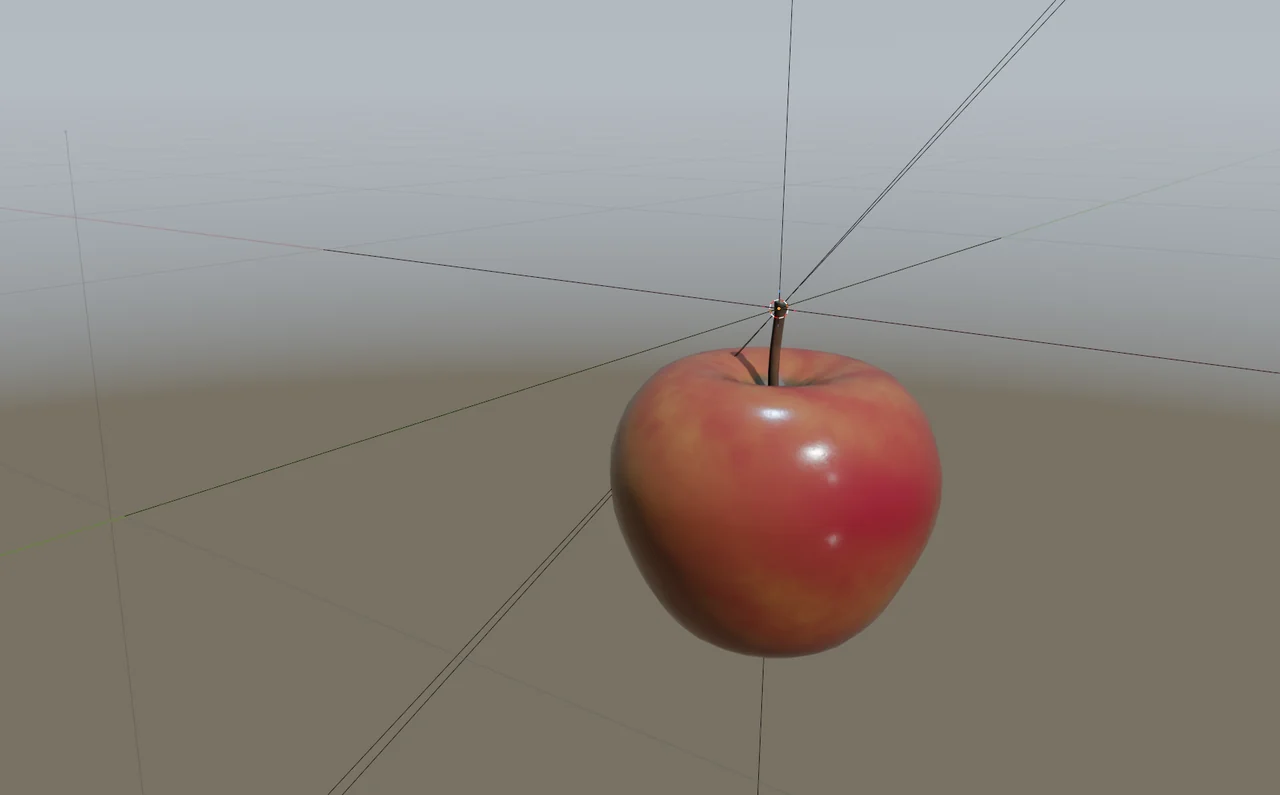
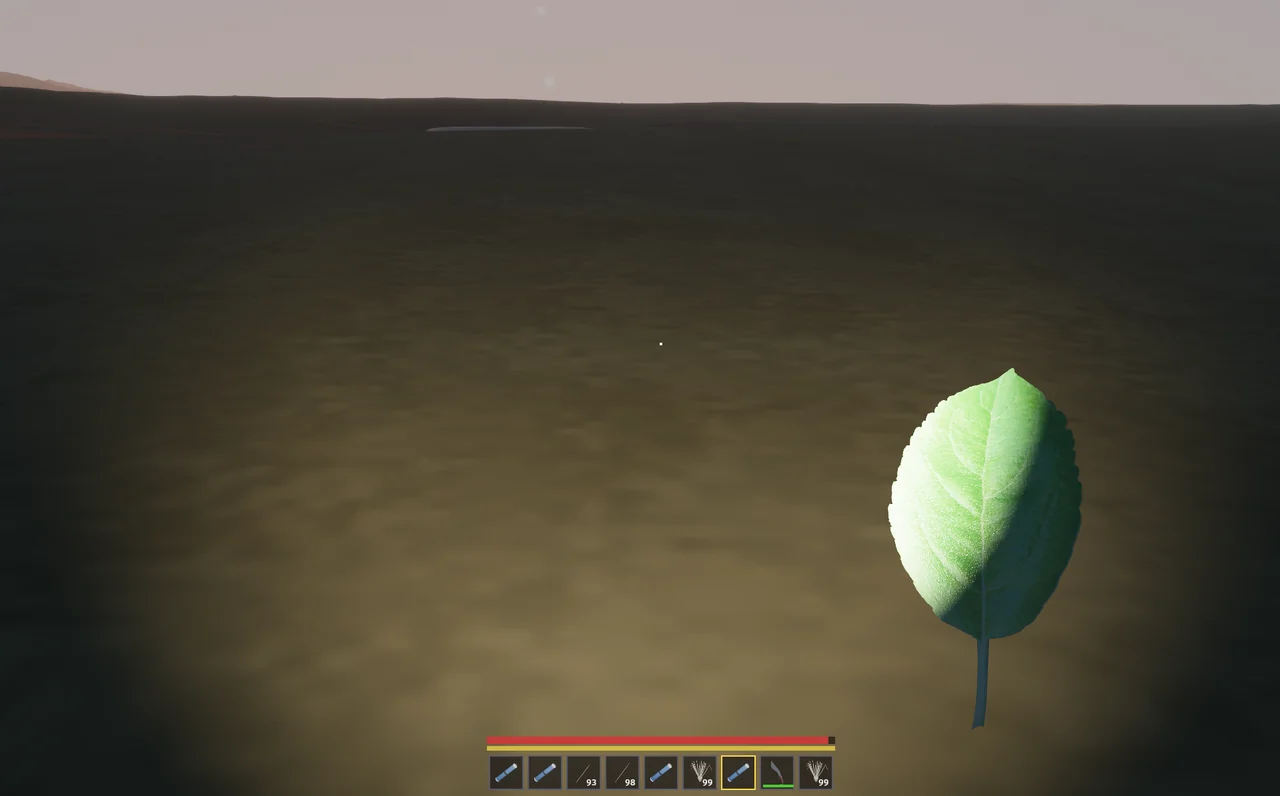
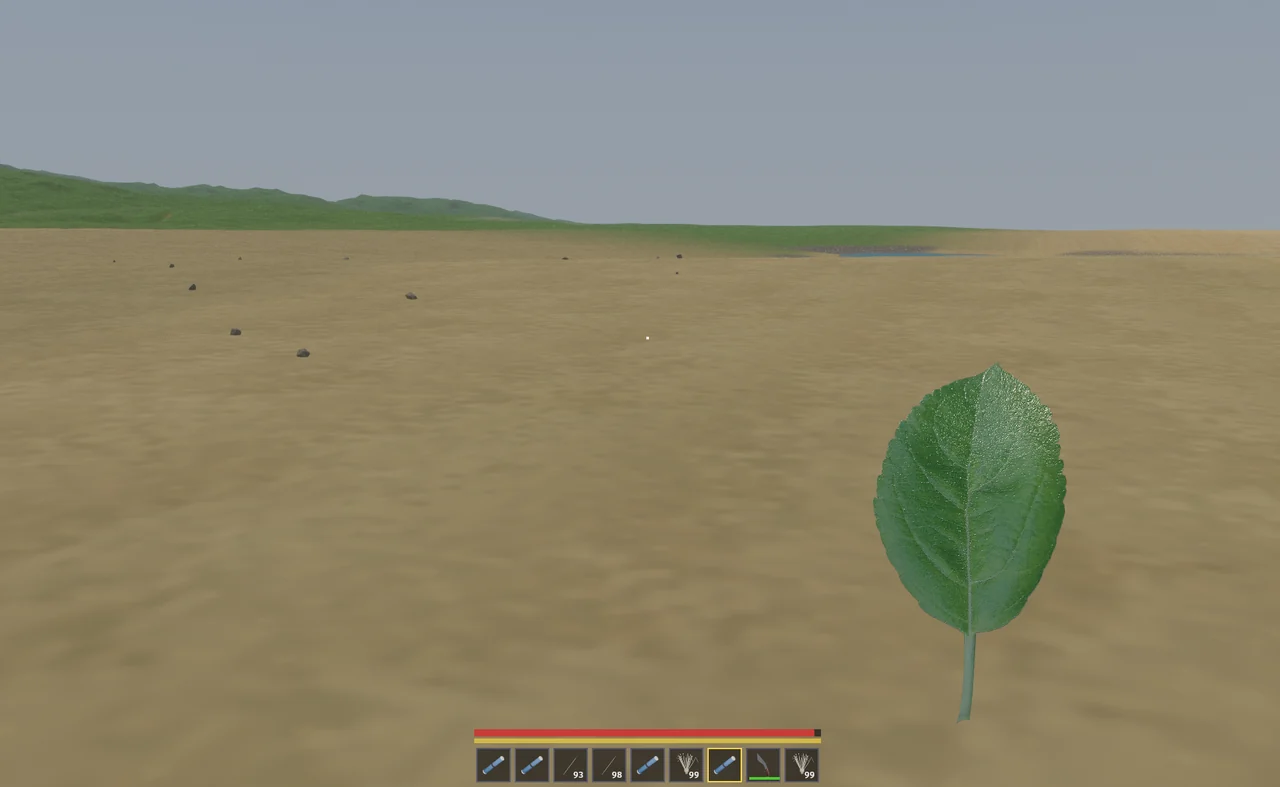
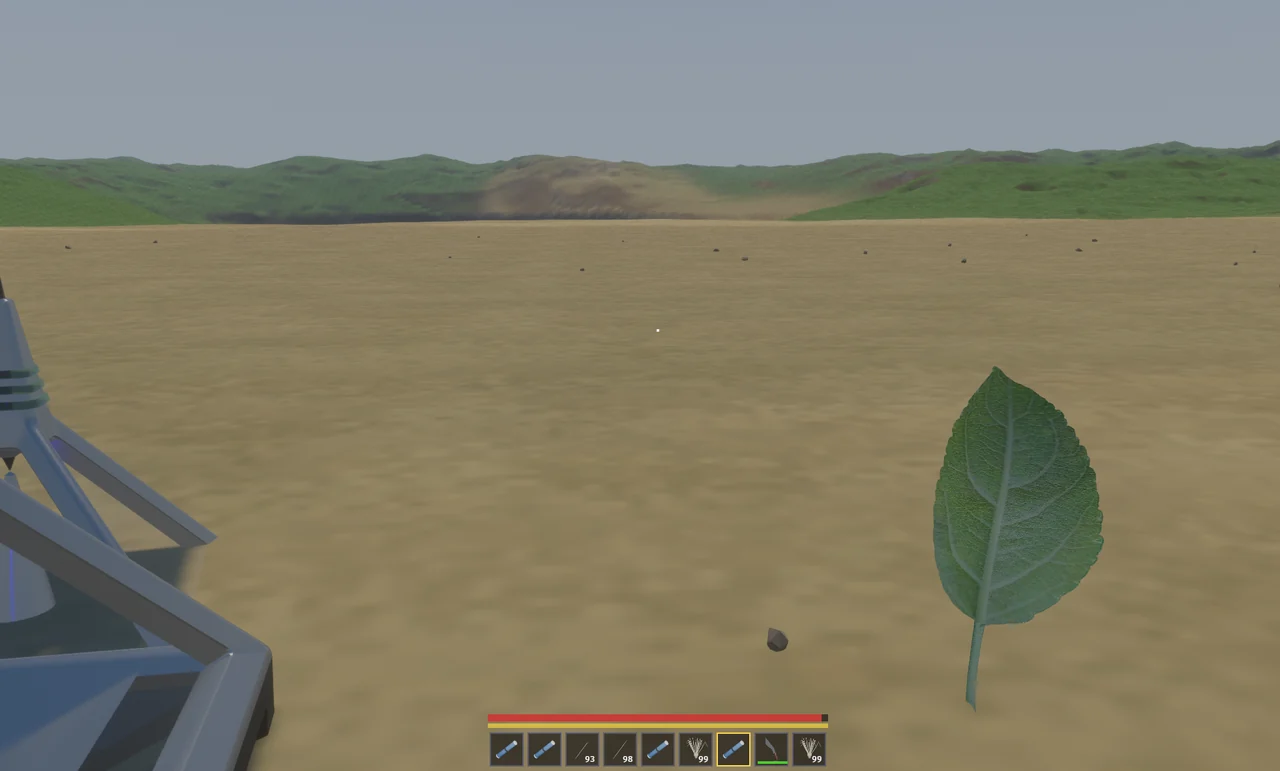
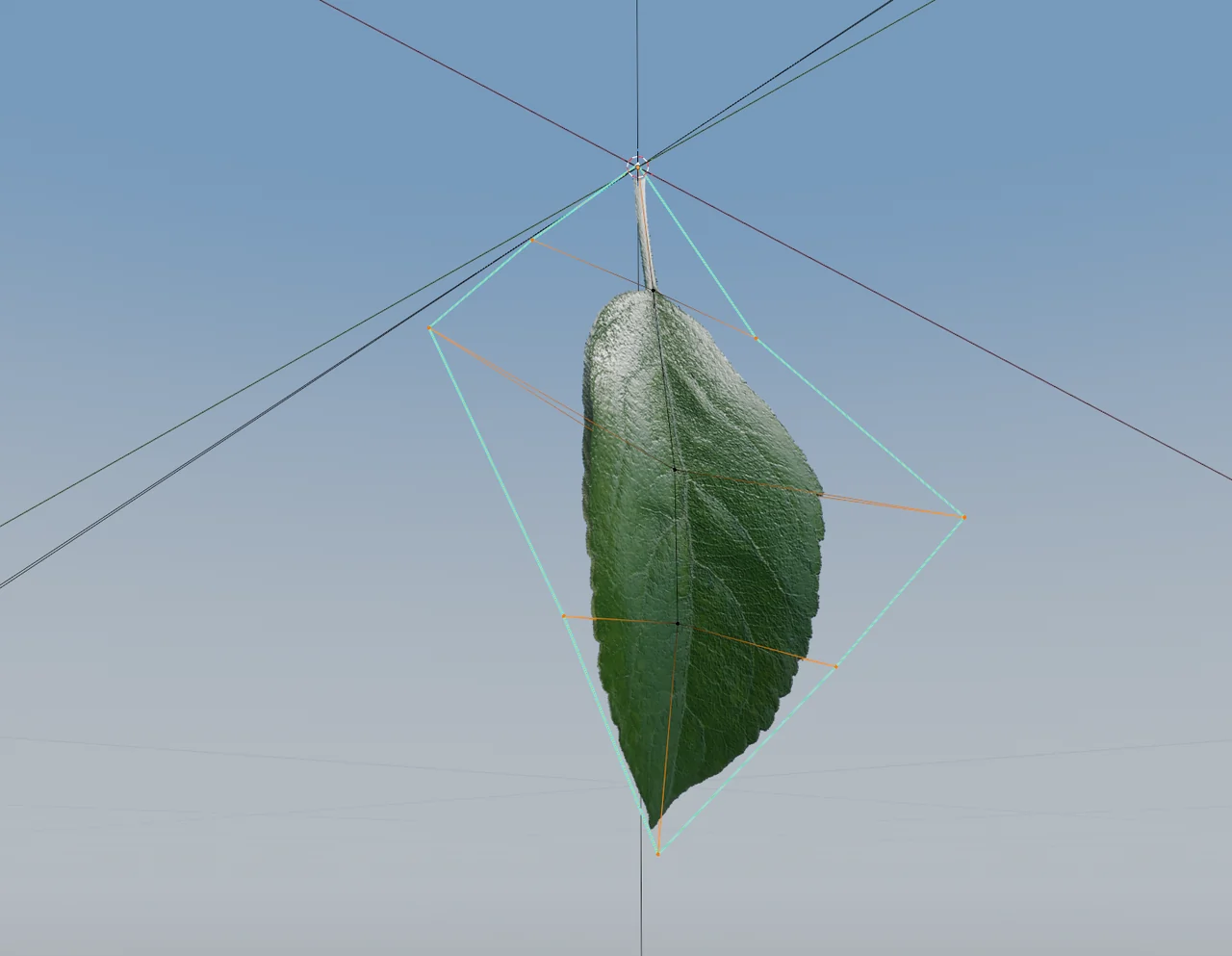
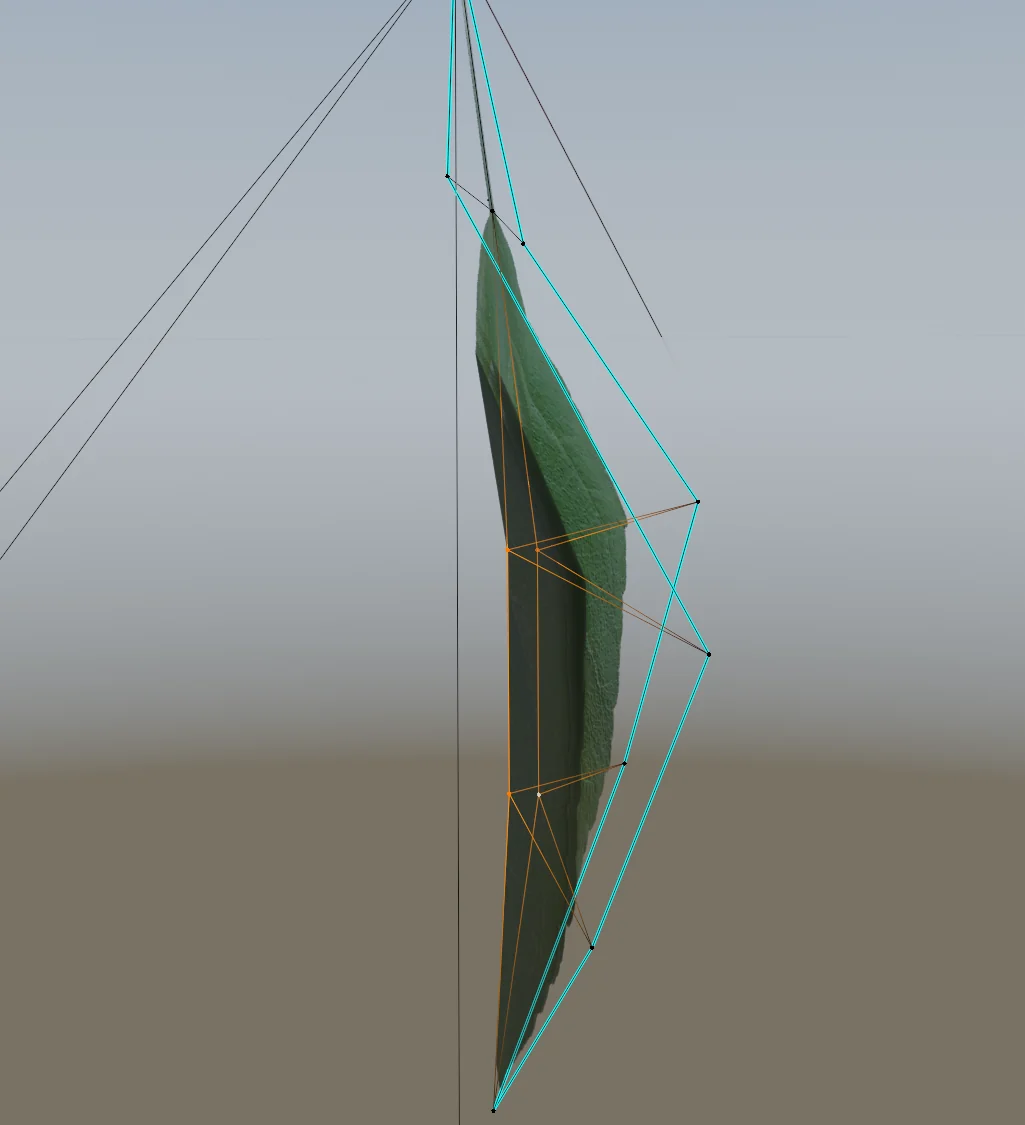
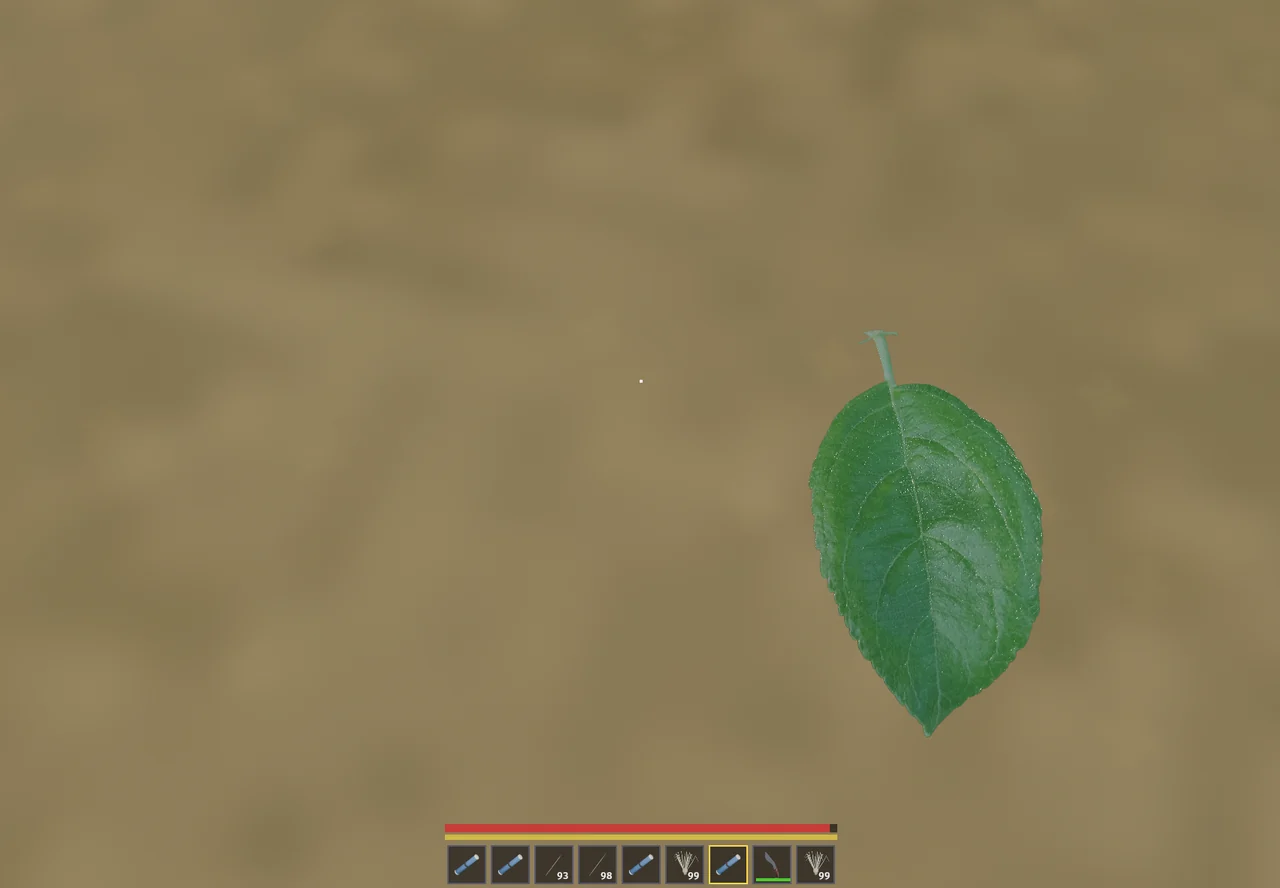
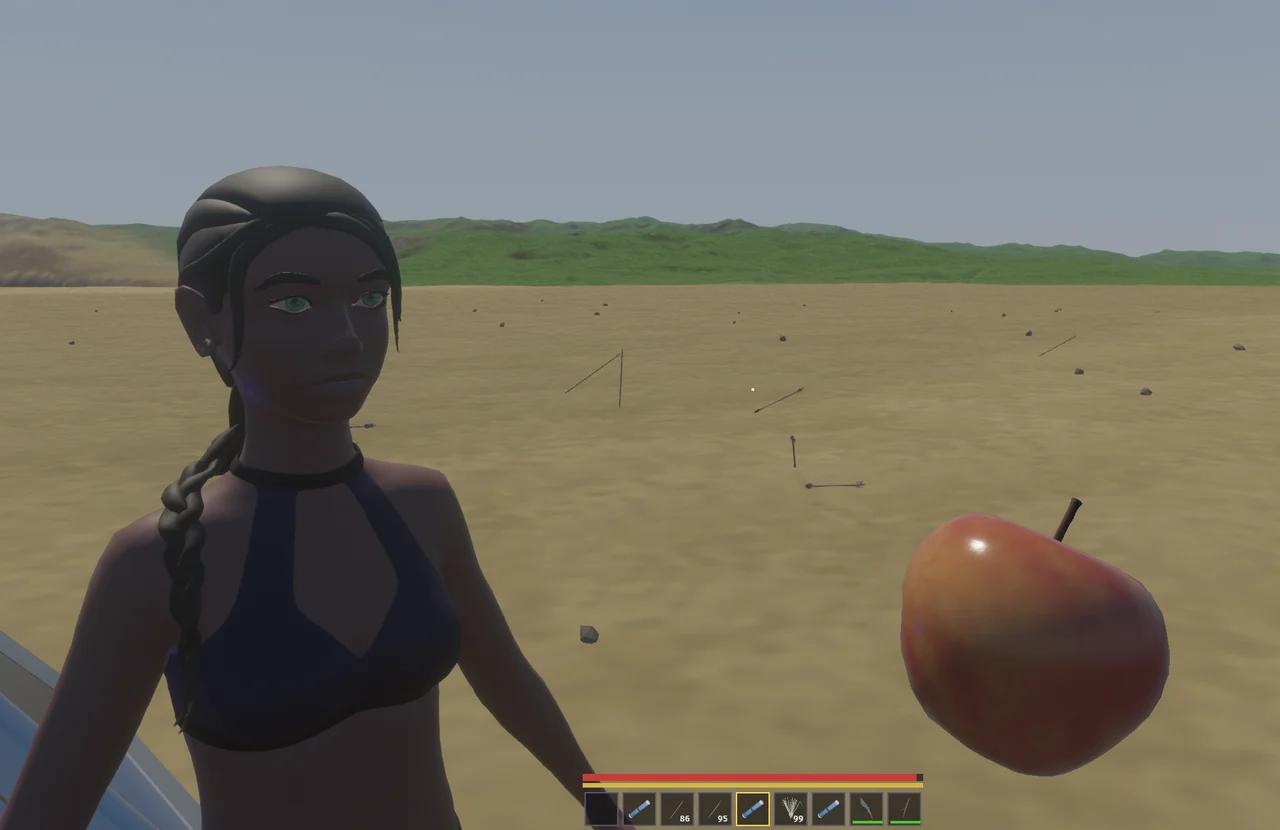
Plants come back after the trees are right, and they have a new pair of hands: my wife, Ging, is learning Blender to help model the foliage.
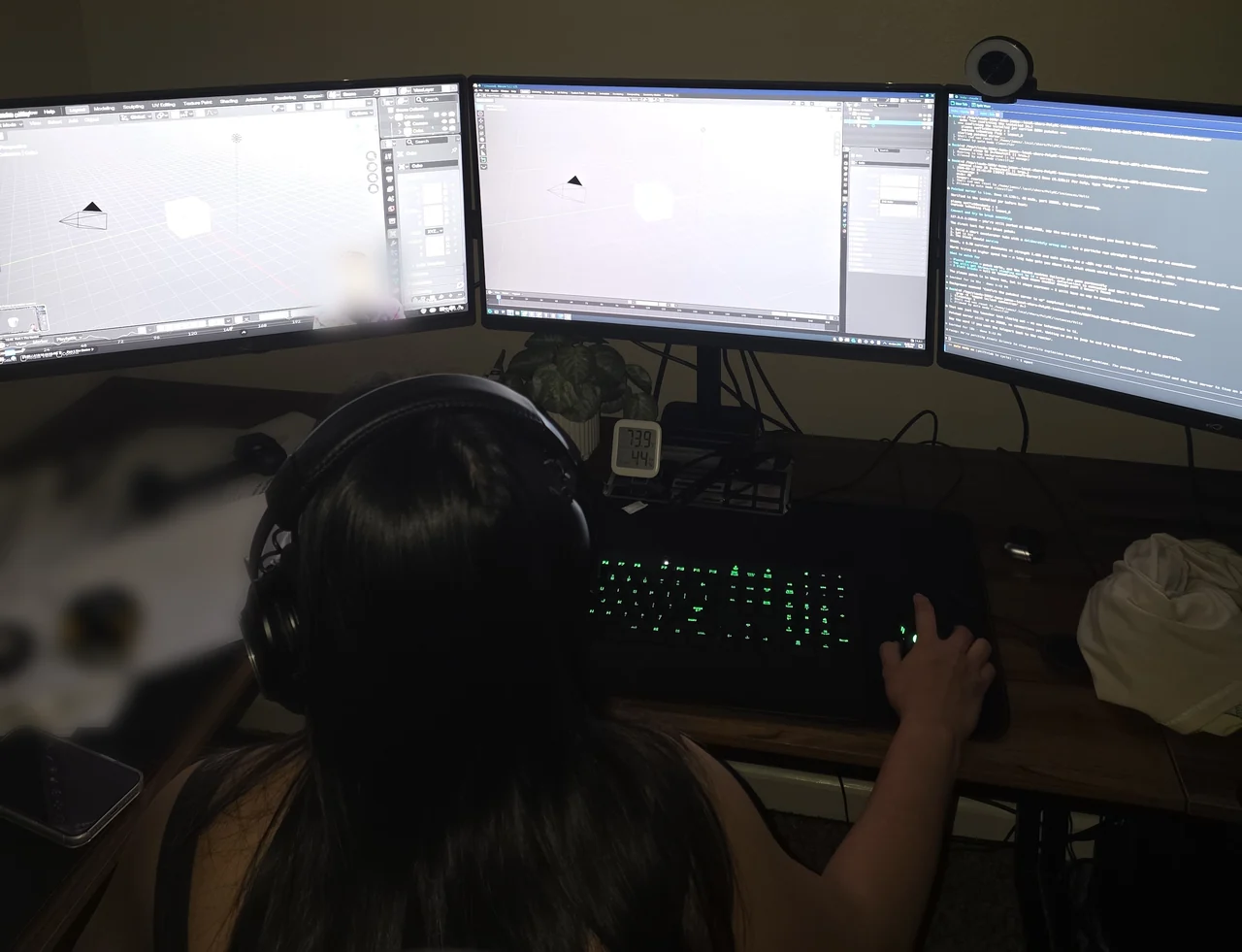
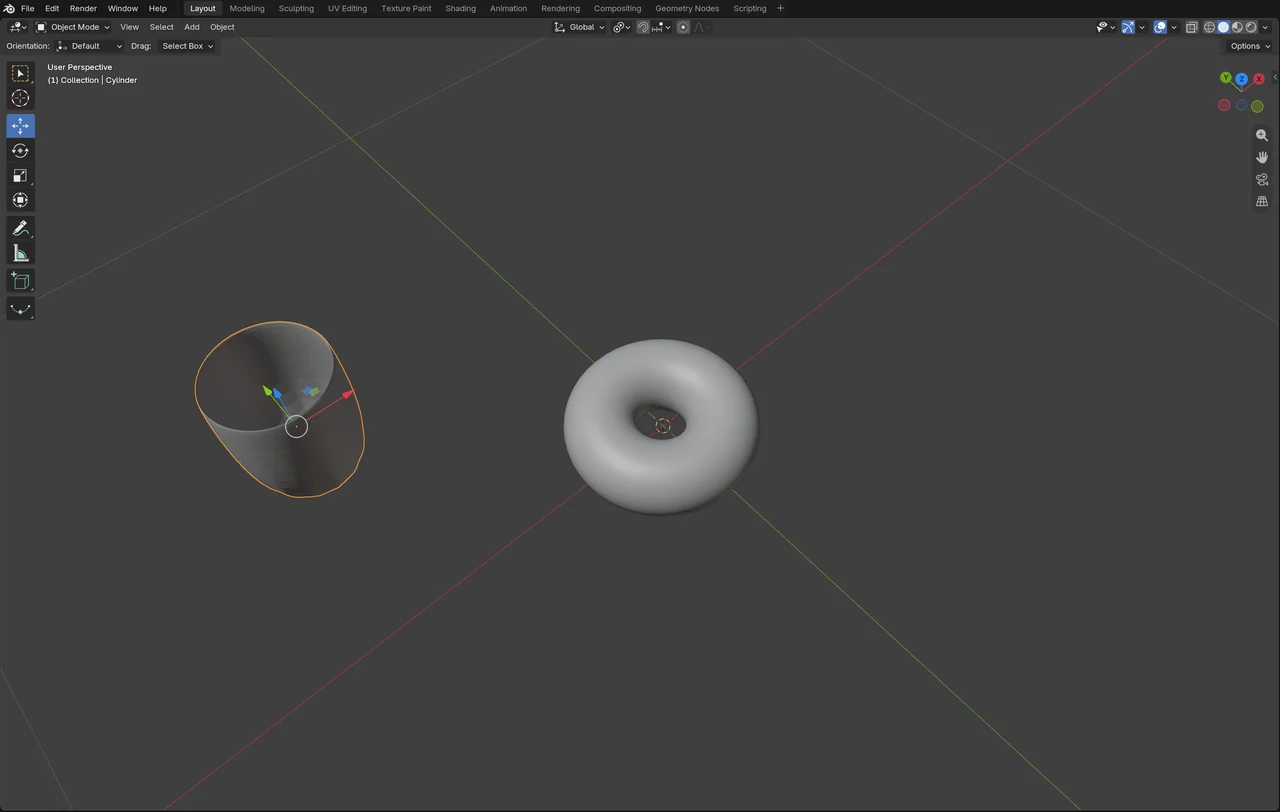
Ging's first Blender donut!
The menu, the sound and the map
The game opens on the Jungle Green Studios logo over its intro sting, then the menu fades up out of black over Dragonfly9307's animated render while the wordmark types itself in. The music is Dragonfly9307's too: the sting and the menu theme, "Fire Escape". Audio has a proper mixer now, with separate Music, Sounds, Voices and Input levels and a mute on each. The interface also scales to fit whatever window it is in.
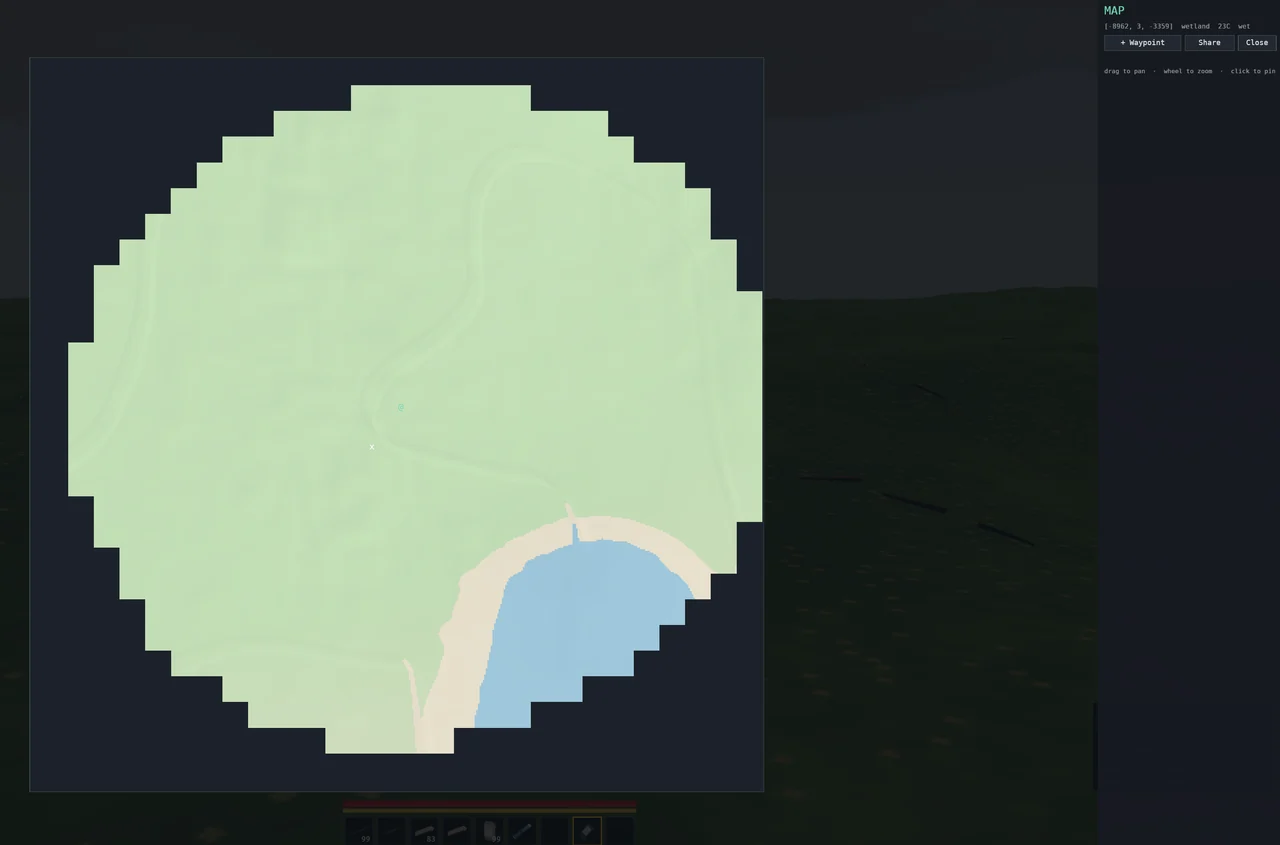
Press M for the map. It fills in as you explore, stays dark where you have not been, and holds your waypoints and where you last died. Share a spot and it drops coordinates into chat, where anyone can click them to open their own map right there. Other players are not on the map, and whether they ever are will be up to each scenario.
Servers and accounts
Server owners can now grant operators, trusted players who get admin commands on that server, tied to their account so the role cannot be claimed by typing a name. Steadfall now needs a signed in account to play, single player included. Sessions last long enough that playing offline works. Accounts are still closed while the alpha is private.
A note on AI generated assets
A few assets in the current builds were made with AI, as temporary stand ins so those items are not blank while the game is being built. Every 3D model made with AI will be replaced by our 3D modeler as he gets to it, and anything illustrative made with AI will be replaced by artwork drawn by a person. They are marked for removal and will not appear in any public release of the game.
Fixes worth mentioning
- Jumping no longer counts as falling, so a standing jump or a step down no longer costs health.
- Deleting a world could delete the wrong one. It deletes the one you clicked now.
That is the fortnight. Next up is testing all of this in real multiplayer sessions, more trees, and the art that goes with the new building system.